
How to process Kitchen Waste into valuable garden soil, great potting mixes and a few other useful ideas.
Bokashi composting is an environmentally friendly method for dealing with kitchen waste is a fermentation process with the help of beneficial microbes to break down organic matter, including items often unsuitable for regular compost like cooked food, dairy, and small bones. The result: a nutrient-rich pre-compost that can be directly used to improve garden soil and potting mixes.
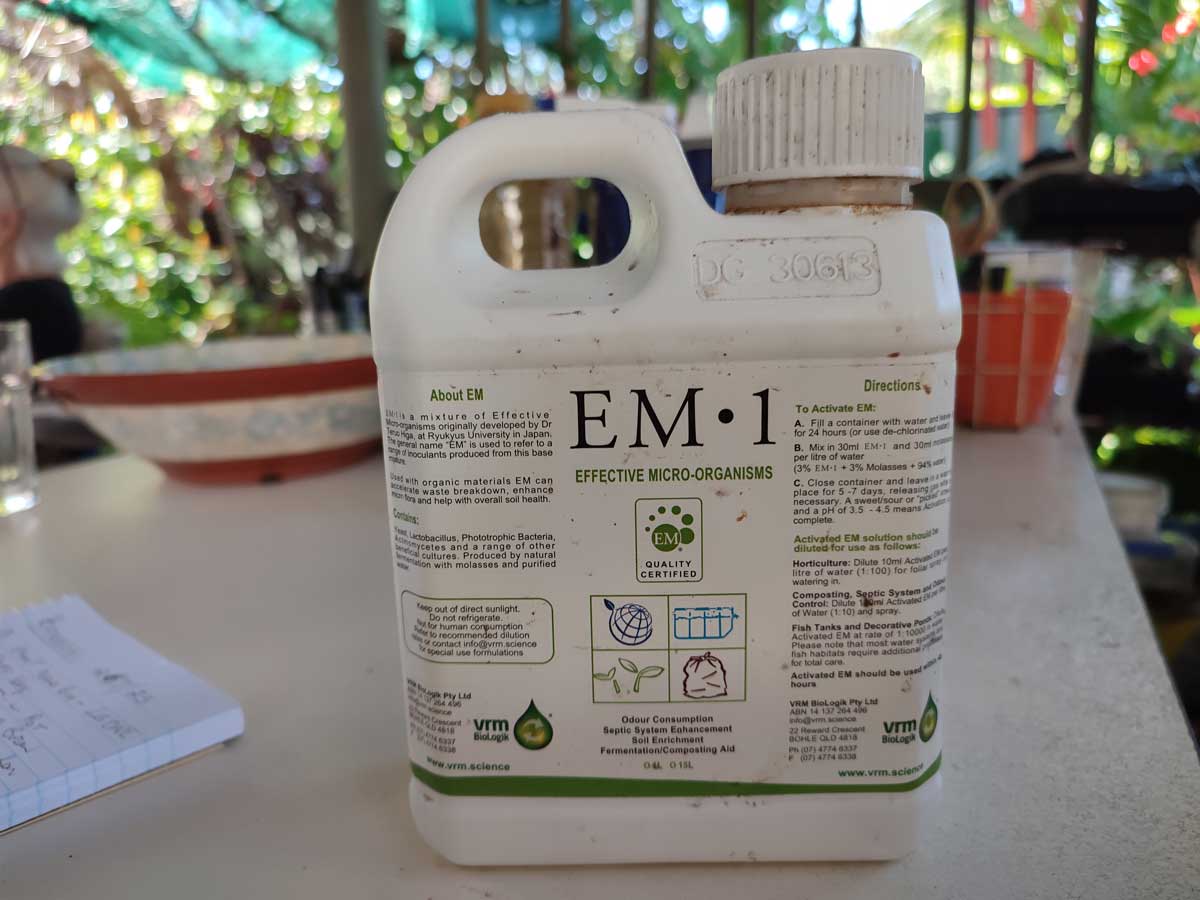
Bokashi is a Japanese word meaning “fermented organic matter.” The process was invented by Dr Teruo Higa while in his garden, he spilt a mixture of bacteria and other ingredients then noticed how well plants were growing, it turned out to be the Bokashi process which involves inoculating food waste with a specific mix of microorganisms, known as Effective Microorganisms (EM), which ferment the waste in an anaerobic (oxygen-free) environment. The end product is not fully composted but is a pre-compost material, teeming with beneficial microbes, which completes its breakdown rapidly when added to soil.

What You Need to Get Started
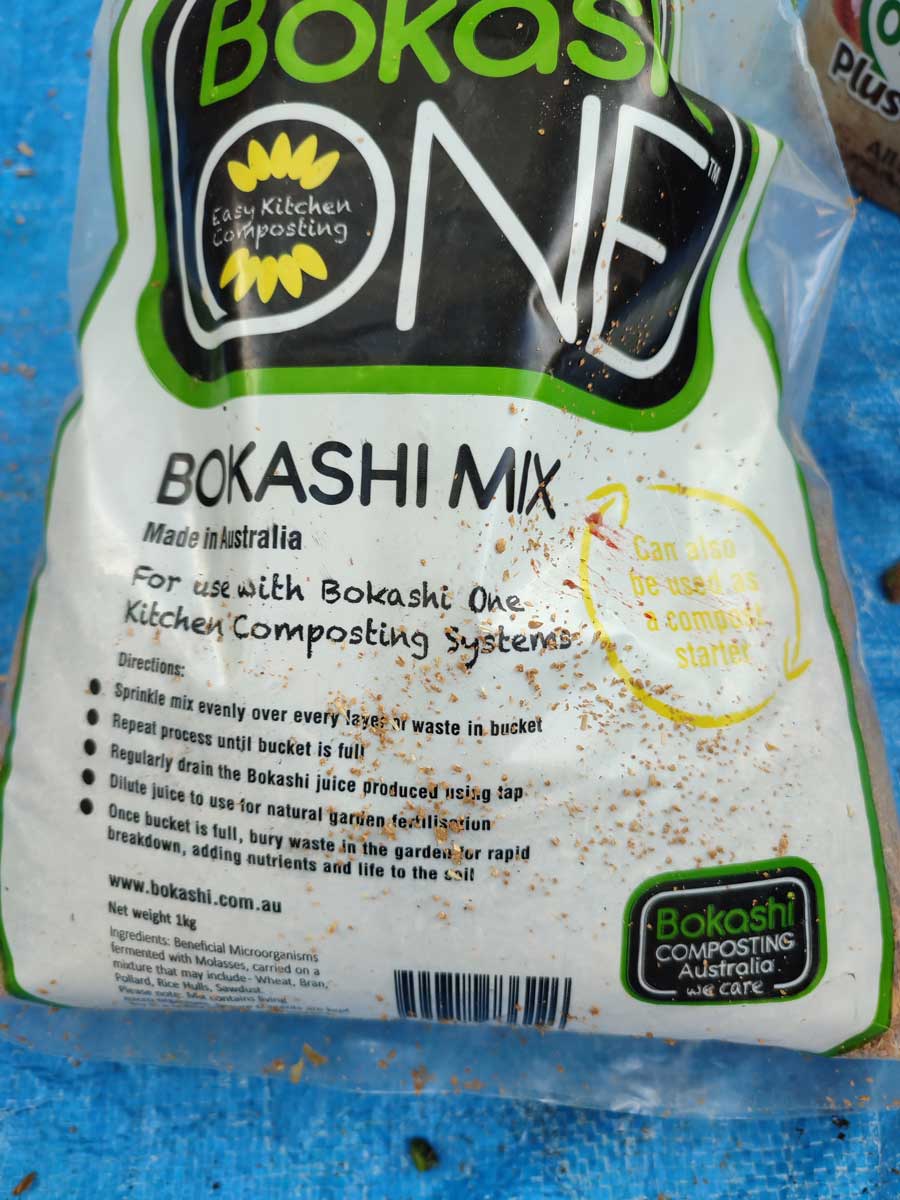
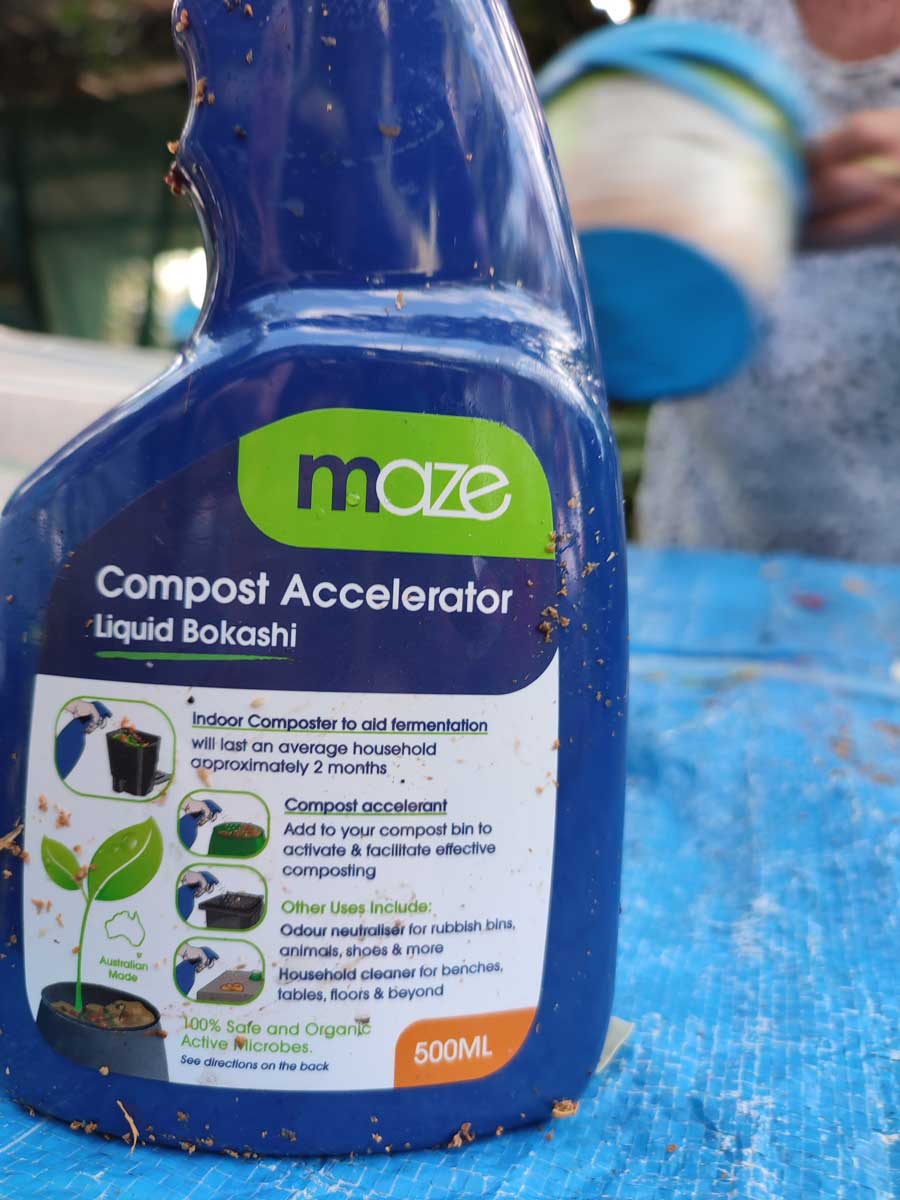
Bokashi bran or liquid EM, typically a blend of
- 1. Lactic Acid Bacteria (LAB) which consumes waste products of PNSB and creates the low ph that eliminates harmful pathogens
- 2. Yeasts
- 3. Purple non-sulfur bacteria (PNSB) which feed on dead yeast and LAB bodies. These ingredients work together to make bokashi possible.
- Bokashi Bucket: A tightly sealed airtight container, with a tap at the bottom to drain excess liquids (bokashi tea), is essential for maintaining the anaerobic environment.
- Kitchen Waste: Both plant- and animal-based scraps can be used, including fruit and vegetable peels, meat, dairy, bread, cooked food, coffee grounds and eggshells. These foods need to be fresh with no rot or moulds present.
- A potato masher or other device to press the food scraps down to exclude air.
- Optional: Gloves and a scoop or small shovel for handling the fermented material.
Fermenting Kitchen Waste
- Chop food scraps into small pieces to speed fermentation.
- Sprinkle a layer of bokashi bran on bottom of container.
- Add a 4cm layer of food waste to the bokashi bucket.
- Sprinkle a thin layer of bokashi bran over the waste.
- If the Bin is not full, place a piece of plastic over food before compressing.
- Then seal the lid, this stops air access to the waste.
- Repeat the process until full. Seal the container. Take note of the date.
- Leave for 14 days at least before using. Drain the bokashi tea from the bucket every couple of days. This liquid is rich in nutrients and microbes—dilute it 1:100 with water and use it to fertilise garden beds or pour it down drains to help clean pipes naturally.
- Note: Additions of Rock Dust and Biochar may be incorporated into this process by sprinkling each layer with a fine layer of each or other needed ingredients.


How to Use Bokashi in the Garden
Bokashi pre-compost is acidic and not ready for direct plant contact. Here’s how to safely and effectively use it to enrich garden soil: Note: if plants are nearby leave 30cm gap from bokashi.
- Dig a trench or hole at least 20 cm deep in a vacant bed or between plant rows.
- Place the fermented bokashi waste into the trench, spreading and mixing it evenly.
- Cover with at least 15–20 cm of soil to discourage pests and odours.
- Wait 2–4 weeks before planting in that area, to allow the material to neutralise as soil microbes finish decomposition.
Making a Batch of Bokashi Potting Mix
- After fermenting, place the bokashi waste in a large bin/tub/wheelbarrow or unused garden bed, mixing it with equal amounts of old potting mix, garden soil, and/or compost. Place in bin or garden and cover leave for 2 – 4 weeks.
- The acidic smell will fade as the material fully decomposes.
- Once the smell is gone and the material looks earthy, it is ready to use in pots or for seed starting.
- Make sure not to plant directly into freshly fermented bokashi, as the acidity can damage roots.
Other ways to use bokashi ferment: Plant in a pot, Rejuvenate old soil Make Black Earth Compost, Feed Black Soldier fly, Feed worms.
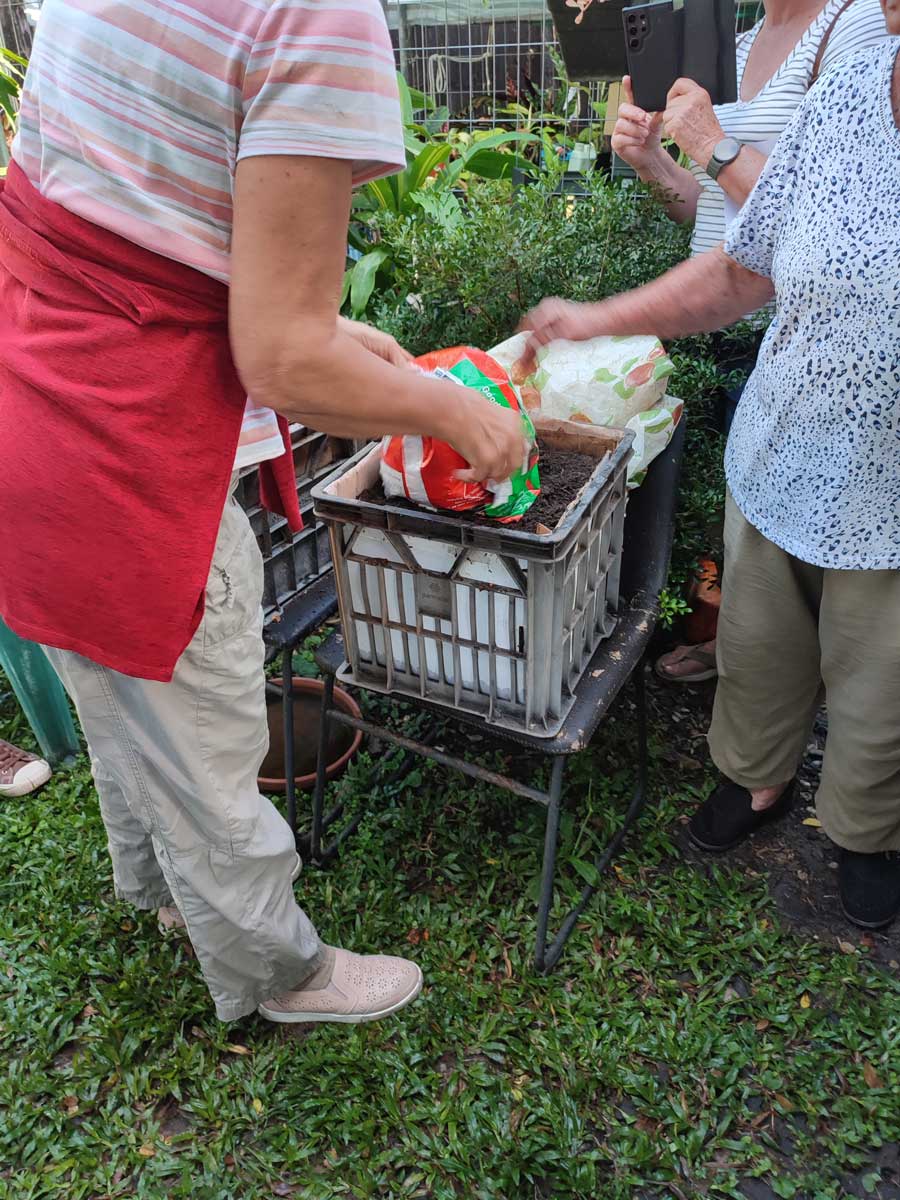
After 14 days of fermenting, start a pot with some potting mix, add a 4cm layer of bokashi ferment, keep layering till 2/3rd full then top up with potting mix, leave 14 days to planting.
Cover to keep out of heavy rain,
Black Soldier fly will eat bokashi ferments, Worms will eat bokashi ferments but start in a corner to be sure it is not too acidic.
Bokashi can also be used to make Black Earth Compost, if interested contact me.




Troubleshooting Common Issues
- Bad odours: A foul or putrid smell indicates something went wrong—perhaps air entered the bucket or too little bran was used. Discard the contents and start over.
- Mould: White mould is normal, but green or black mould means contamination. Discard and clean the bucket thoroughly.
- Pests: Bury bokashi pre-compost deeply and cover well to avoid attracting animals.
Summary of Bokashi’s Environmental Impact
Bokashi composting is an efficient way to reduce kitchen waste and return valuable nutrients to the soil. Using bokashi in the garden and in potting mix not only recycles organic matter but also supports healthy plant growth, improves soil structure, and encourages a thriving ecosystem of beneficial microbes. Whether you’re a home gardener with a backyard or an apartment-dweller with potted plants, bokashi offers a simple and powerful tool for sustainable gardening.
Written by Carol Laing 2025.